
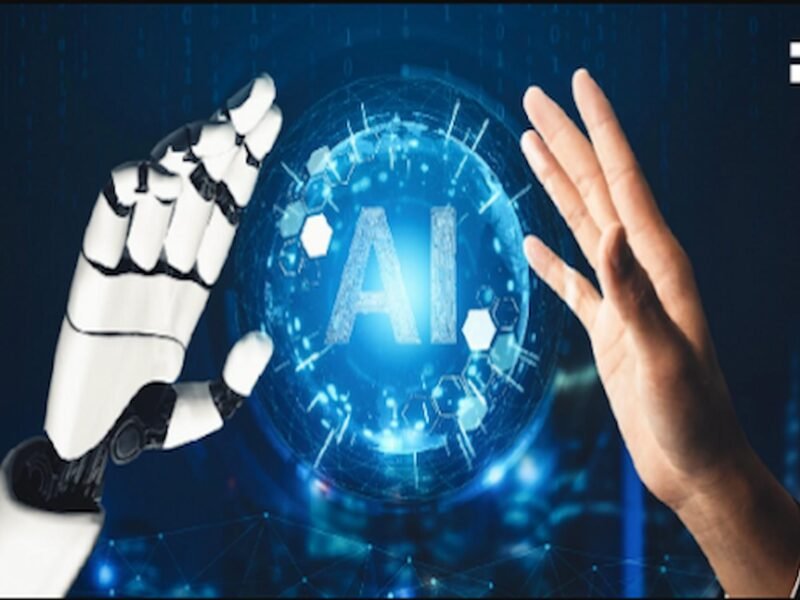

You reach out to a support chat for help with a sensitive issue, only to receive a rigid, robotic response. Frustration sets in immediately. We interact with artificial intelligence constantly, yet many systems fail to understand human emotion. People crave genuine connection, and they expect technology to meet them halfway.
Artificial intelligence must evolve beyond cold data processing. It needs empathy, contextual awareness, and conversational warmth. This shift from robotic to relatable drives the creation of specialized tools designed to bridge the emotional gap between humans and software.
This guide explores the purpose behind humanize.ai and its role in reshaping digital communication. We will examine why empathetic technology drives user engagement and highlight its key applications across major industries. You will also discover the core benefits, navigate the ethical challenges, and see what the future holds for intuitive AI systems.
What Is Humanize.ai and Its Core Purpose?
Humanize.ai represents a transformative approach to artificial intelligence development. It focuses entirely on building systems that interact, communicate, and respond with natural human authenticity. Instead of simply pushing out the most logical answer, humanize.ai considers the user’s tone, emotional state, and conversational context.
The primary purpose of humanize.ai involves turning transactional software into a relatable digital companion. Developers achieve this by integrating advanced natural language processing and emotional intelligence algorithms. The system learns to recognize subtle cues in text and voice. If you express confusion, the software detects that emotion and adjusts its vocabulary to offer gentler, more supportive guidance.
Ultimately, humanize.ai stops forcing humans to adapt to machines. It teaches machines to adapt to human behavior. This approach ensures that digital interactions feel less like querying a database and more like speaking with a knowledgeable friend.
Why Humanizing AI Is Crucial for User Engagement
Users demand intuitive and seamless experiences. Whenever someone encounters a stiff, unfeeling interface, they feel alienated. They close the application, abandon their cart, or look for a competitor. Humanizing AI proves essential because it directly dictates how long users stay engaged with your platform.
When an AI system uses conversational language and demonstrates empathy, people feel comfortable. They let their guard down. They engage more deeply with the software, asking more questions and exploring more features. A humanized interface turns a frustrating chore into an enjoyable interaction.
Furthermore, we trust AI to handle highly personal tasks. We rely on applications to manage our finances, monitor our health, and organize our schedules. These sensitive areas require a delicate, understanding touch. A machine that cannot simulate empathy fails to provide the emotional support people expect. By integrating humanize.ai, companies ensure their technology supports users effectively, keeping engagement metrics consistently high.
Key Features and Applications of Humanize.ai
Empathetic technology solves unique challenges across multiple sectors. Humanize.ai already drives massive improvements in how organizations communicate with the public.
Elevating Customer Service
Customer service agents face intense pressure while dealing with frustrated buyers. Traditional chatbots only escalate this anger by repeating useless prompts. Humanize.ai changes this dynamic entirely. When a customer complains about a broken product, the AI recognizes the urgency and frustration. It apologizes sincerely, takes ownership of the issue, and guides the user toward a resolution using natural dialogue. This immediate display of empathy diffuses tension and protects the customer relationship.
Advancing Healthcare Communication
Healthcare requires deep compassion. Patients often feel scared or overwhelmed when exploring medical issues. Developers use humanize.ai to create virtual health assistants that simulate a warm, reassuring bedside manner. These tools answer medical queries using calming language. Mental health chatbots utilize sentiment analysis to detect anxiety, providing supportive responses and coping strategies when human therapists are unavailable.
Innovating the Education Sector
Learning complex subjects involves making mistakes. Harsh or robotic feedback quickly discourages students. Educational platforms leverage humanize.ai to provide constructive, encouraging guidance. Instead of just marking an answer incorrect, an AI tutor offers gentle nudges. It might say, “You are on the right track! Let’s review this specific step together.” This supportive methodology builds confidence and keeps students highly motivated.
The Benefits of Using Humanize.ai
Integrating empathetic AI into your workflow provides clear, measurable advantages. These benefits center heavily on user perception and brand loyalty.
First, humanize.ai builds immediate trust. Trust forms the backbone of any successful relationship. When a digital system speaks naturally and acknowledges emotions, people feel safe. They willingly share information and rely on the software for critical tasks.
Second, it dramatically improves the overall user experience. Complex menus and rigid commands frustrate users. Conversational AI allows people to interact with software exactly as they speak. This conversational accessibility means anyone can use the technology, completely regardless of their technical expertise.
Finally, empathetic technology drives long-term brand loyalty. Customers remember how a company makes them feel. If your AI support system makes a user feel valued and respected during a crisis, that positive experience sticks with them. They will return to your business and recommend your services to others.
Challenges and Future Prospects of Humanizing AI
While the potential of humanize.ai excites developers, it introduces serious ethical and technical challenges. We must navigate these issues carefully to protect users and maintain trust.
The most prominent challenge involves transparency. If an AI sounds perfectly human, a user might genuinely believe they are speaking to a real person. Deceiving users destroys trust instantly. Companies must find a careful balance between creating natural dialogue and clearly disclosing that the user is interacting with a machine.
Data privacy also raises major concerns. To simulate empathy, an AI must analyze deeply personal data, such as voice inflections, facial expressions, or emotional text patterns. Collecting and storing this emotional data demands strict security protocols. Users must always retain control over how systems use their personal information.
Looking forward, the future of humanizing AI looks incredibly promising. We will see the rise of hyper-personalized systems that remember past conversations and emotional states. Multimodal AI will analyze voice tone and facial expressions simultaneously, delivering flawlessly nuanced responses. The technology will become so seamless that the line between human and machine communication will completely blur.
Build Better AI Experiences Today
Technology should always enhance human connection, never replace it. Humanize.ai represents a massive leap forward in how we design, build, and interact with the digital world. By prioritizing empathy, natural conversational flow, and emotional intelligence, you can turn cold software into a supportive, engaging experience.
Examine the digital tools you currently use or provide to your customers. Look for areas where interactions feel rigid, unfeeling, or frustrating. Embrace the power of humanize.ai to bridge that gap. Start building and exploring technology that actually understands you, creating more empathetic and highly effective solutions for everyone.



No Comment