
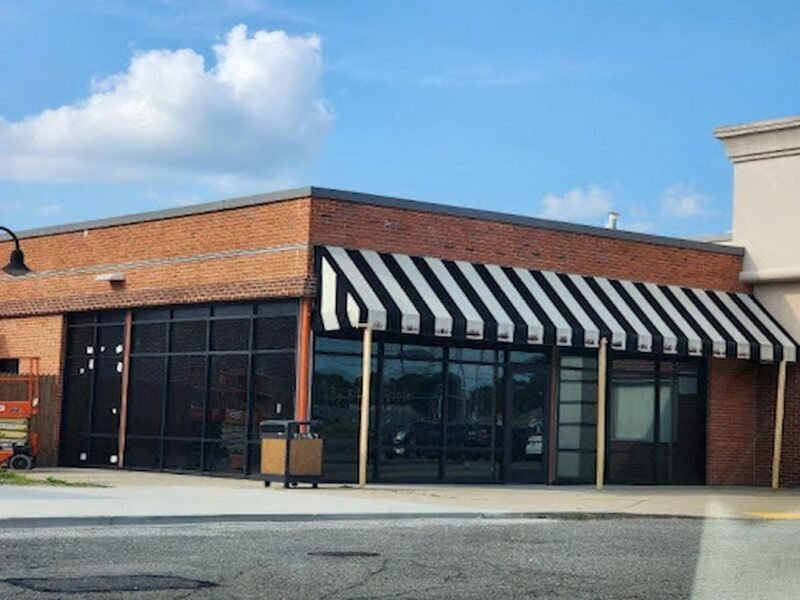

A well-designed awning does more than provide shade. It shapes first impressions, manages light, and adds architectural character. From fabric choices to structural finishes, bespoke awnings offer a balance of aesthetics and performance that suits both commercial and residential spaces when design decisions are made with care.
From high streets to private terraces, bespoke awnings have become a defining feature of modern exterior design. Thoughtful selection of materials and finishes allows awnings to complement architecture while delivering reliable protection from sun and rain. For commercial properties in particular, shop front awnings play a dual role—enhancing visual identity while improving comfort for visitors and staff alike. Understanding design options helps ensure an awning performs well and looks appropriate for years to come.
Where Design Meets Purpose in Bespoke Awnings
Bespoke awnings differ from off-the-shelf solutions because they respond directly to a building’s proportions, usage, and environment. Design choices are not purely decorative; they influence durability, maintenance, and usability. A well-considered awning can soften harsh sunlight, reduce internal heat build-up, and define outdoor areas without permanent structural changes.
The design process typically begins with assessing exposure to weather, orientation of the façade, and how the space beneath the awning will be used. These factors guide decisions around shape, projection, and material performance, ensuring the finished structure feels integrated rather than added on.
Fabric Selection: Performance Hidden in Plain Sight
Fabric selection determines how well an awning handles sunlight, moisture, and long-term exposure. It also shapes the visual tone of the exterior, influencing colour consistency and overall finish.
Weather Resistance and UV Protection
Awning fabrics are engineered to handle prolonged outdoor exposure. High-quality materials are treated to resist fading, moisture penetration, and mildew growth. UV-resistant coatings help block harmful rays, reducing glare and protecting interiors from sun damage. This is particularly important for south-facing elevations that receive consistent sunlight throughout the day.
Texture, Colour, and Visual Impact
Beyond performance, fabric texture and colour influence how an awning interacts with the surrounding building. Smooth finishes create a clean, contemporary look, while woven textures add depth and softness. Lighter colours reflect heat but may show dirt more easily, whereas darker tones absorb warmth yet often appear richer and more defined.
Structural Frames: Strength Beneath the Surface
The frame provides the strength that keeps an awning stable over time. Material choice affects resistance to movement, weather stress, and gradual wear caused by regular operation.
Aluminium Frames for Longevity
Aluminium is widely used in bespoke awning frames due to its strength-to-weight ratio and resistance to corrosion. Powder-coated finishes add an extra layer of protection while allowing frames to match or contrast with building façades. This combination supports long-term structural integrity with minimal maintenance.
Steel Components for Added Rigidity
In locations exposed to stronger winds or larger spans, steel reinforcements may be incorporated. While heavier than aluminium, steel offers exceptional rigidity, ensuring the awning remains stable under load. Protective coatings are essential to prevent corrosion and extend service life.
Shapes and Profiles That Define Character
Awning shape contributes to how the structure complements architectural lines. Different profiles can either soften the façade or reinforce a clean, modern appearance.
Traditional Forms with Modern Engineering
Classic shapes such as convex or domed profiles remain popular for their timeless appeal. When paired with modern materials and mechanisms, these forms deliver both nostalgia and reliability without compromising on performance.
Clean Lines for Contemporary Settings
Straight-edged and minimalist profiles suit modern architecture, creating sharp visual lines and unobtrusive shading. These designs often integrate seamlessly with glass and metal façades, maintaining a streamlined appearance while offering practical coverage.
Mechanisms and Controls: Functionality in Motion
Operation methods affect how easily an awning can be adjusted throughout the day. The right system supports smooth movement while responding effectively to changing conditions.
Manual and Motorised Options
Control systems determine how easily an awning adapts to changing conditions. Manual mechanisms offer simplicity and reliability, while motorised systems provide convenience, particularly for larger installations. Smooth operation reduces wear on components and improves everyday usability.
Smart Sensors and Automation
Advanced systems can include wind or sun sensors that adjust the awning automatically. By responding to environmental changes, these features help protect the structure during adverse weather and optimise shading during peak sunlight hours.
Practical Design Considerations That Matter
Smaller technical details influence how the awning performs once installed. Fixing methods, drainage angles, and clearances all play a role in safety, comfort, and durability.
While visual appeal often drives initial interest, practical details define long-term satisfaction. Drainage angles, fixing methods, and clearance heights all influence how well an awning performs. Poorly planned installations can trap water or restrict movement beneath the canopy.
In commercial settings, especially where shop front awnings are used to attract foot traffic, clear visibility and safe pedestrian flow must be prioritised. Design should enhance accessibility rather than obstruct it, ensuring the awning supports both aesthetics and function.
Key Takeaways for Choosing the Right Bespoke Awning
- Match fabric performance to exposure levels, not just colour preference
- Select frame materials based on environmental conditions and span size
- Choose shapes that complement building architecture rather than compete with it
- Consider automation for larger or frequently adjusted awnings
- Prioritise long-term durability over short-term visual trends
Final Thoughts
Bespoke awnings succeed when design and material choices work together with purpose. From fabric treatments to frame construction, each element contributes to comfort, durability, and visual impact. Thoughtful planning ensures the awning enhances the building rather than overpowering it.
For property owners seeking shade solutions that feel intentional and refined, investing time in understanding design options pays lasting dividends. Whether enhancing outdoor usability or reinforcing visual identity, well-crafted shop front awnings demonstrate how practical structures can also elevate architectural character. The right choices today create shade, style, and reliability that continue to perform across changing seasons.


No Comment