
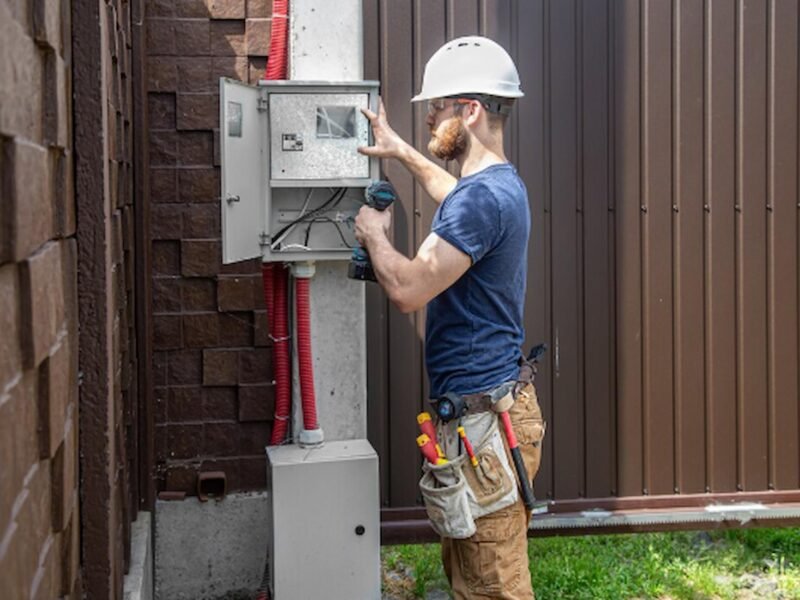

Outdoor technology plays a growing role in modern infrastructure. From communication networks to monitoring equipment, many electronic systems now operate outside traditional indoor environments. These systems require reliable protection to function safely and efficiently.
Outdoor electronic enclosures provide that protection. They shield sensitive equipment from weather, dust, and environmental damage. However, choosing the right enclosure requires careful consideration. A poor choice can lead to equipment failure, costly maintenance, and safety risks.
Before investing in a solution, it is important to understand what makes an enclosure suitable for outdoor conditions. The following ten factors will help guide a smarter buying decision.
1. Weather Protection Is Essential
Outdoor environments expose equipment to rain, wind, sunlight, and temperature changes. Without proper protection, these elements can quickly damage electronics.
High-quality enclosures act as a barrier against:
- Rain and moisture
- Dust and debris
- Strong sunlight and UV exposure
- Extreme temperature fluctuations
A reliable enclosure keeps internal components dry and stable, helping electronics operate consistently even in harsh conditions.
2. Material Quality Matters
The material used to construct an enclosure has a direct impact on durability and performance.
Common enclosure materials include metal and reinforced plastics. Each offers different benefits depending on the environment.
For example:
- Metal enclosures provide strong protection and durability
- Plastic enclosures resist corrosion and are lightweight
Selecting the right material ensures the enclosure can withstand outdoor exposure for many years.
3. Temperature Control Protects Electronics
Outdoor temperatures can change quickly. In summer, direct sunlight may cause overheating. In winter, freezing temperatures can affect sensitive components.
A well-designed enclosure helps regulate internal temperature. Some systems include ventilation, insulation, or cooling features to maintain safe operating conditions.
Without temperature control, electronics may suffer reduced lifespan or sudden failure.
4. Size and Internal Space Are Important
Choosing the correct size is another key consideration. An enclosure must provide enough room for equipment, cables, and airflow.
Overcrowded enclosures can trap heat and make maintenance difficult. At the same time, excessively large units may increase installation costs.
When planning space, consider:
- Equipment dimensions
- Cable management requirements
- Future expansion needs
A properly sized enclosure supports efficient organisation and easier servicing.
5. Security Should Not Be Overlooked
Outdoor equipment is often placed in public or remote locations. This increases the risk of tampering or theft.
Secure enclosures include locking mechanisms and strong construction to prevent unauthorised access. Protection is especially important for communication systems, wireless networks, and monitoring devices.
Reliable security features ensure that equipment remains protected and operational.
6. Ease of Installation Saves Time
Complex installation can delay projects and increase labour costs. The best enclosures are designed for quick and practical setup.
Features that support easier installation include:
- Mounting brackets
- Pre-drilled cable entry points
- Flexible positioning options
These design elements simplify the process and reduce the time needed to deploy equipment outdoors.
7. Cable Management Improves Reliability
Electronic systems rely on organised wiring. Poor cable management can create clutter, increase heat, and complicate maintenance.
A good enclosure design provides enough space and structure for neat cable routing. This reduces stress on connections and keeps systems operating smoothly.
Proper organisation also makes future upgrades and repairs much easier.
8. Durability Reduces Long-Term Costs
Outdoor installations must last for years, often in challenging environments. Durable enclosures protect equipment from damage and reduce the need for replacements.
This is why many organisations choose high-quality solutions from outdoor electronic enclosures – GTT Wireless, designed to support communication systems and critical infrastructure.
Investing in durable equipment at the start helps avoid expensive downtime later.
9. Maintenance Accessibility Is Crucial
Even well-designed systems require occasional maintenance. Technicians must be able to access internal components quickly and safely.
Enclosures that allow easy access help reduce service time and minimise disruption. Clear layout, removable panels, and practical door designs all support efficient maintenance.
A thoughtful design can significantly simplify long-term system management.
10. Future Expansion Should Be Considered
Technology continues to evolve. Equipment that meets today’s needs may require upgrades in the future.
Choosing an enclosure with room for expansion allows systems to grow without replacing the entire installation.
Planning ahead helps organisations remain flexible while protecting their investment.
Making a Smart Investment
Outdoor electronic enclosures play a critical role in protecting technology systems that operate beyond indoor environments. They support communication equipment, monitoring devices, and network infrastructure in locations where environmental risks are unavoidable.
Choosing the right enclosure requires attention to several factors. Weather resistance, durable materials, temperature management, and security all contribute to long-term reliability. Installation efficiency and maintenance accessibility also make a significant difference during the lifecycle of the equipment.
When organisations evaluate these elements carefully, they reduce operational risks and ensure their systems continue running smoothly. Thoughtful planning and the right protective solutions help outdoor technology perform reliably, regardless of the conditions surrounding it.



No Comment